
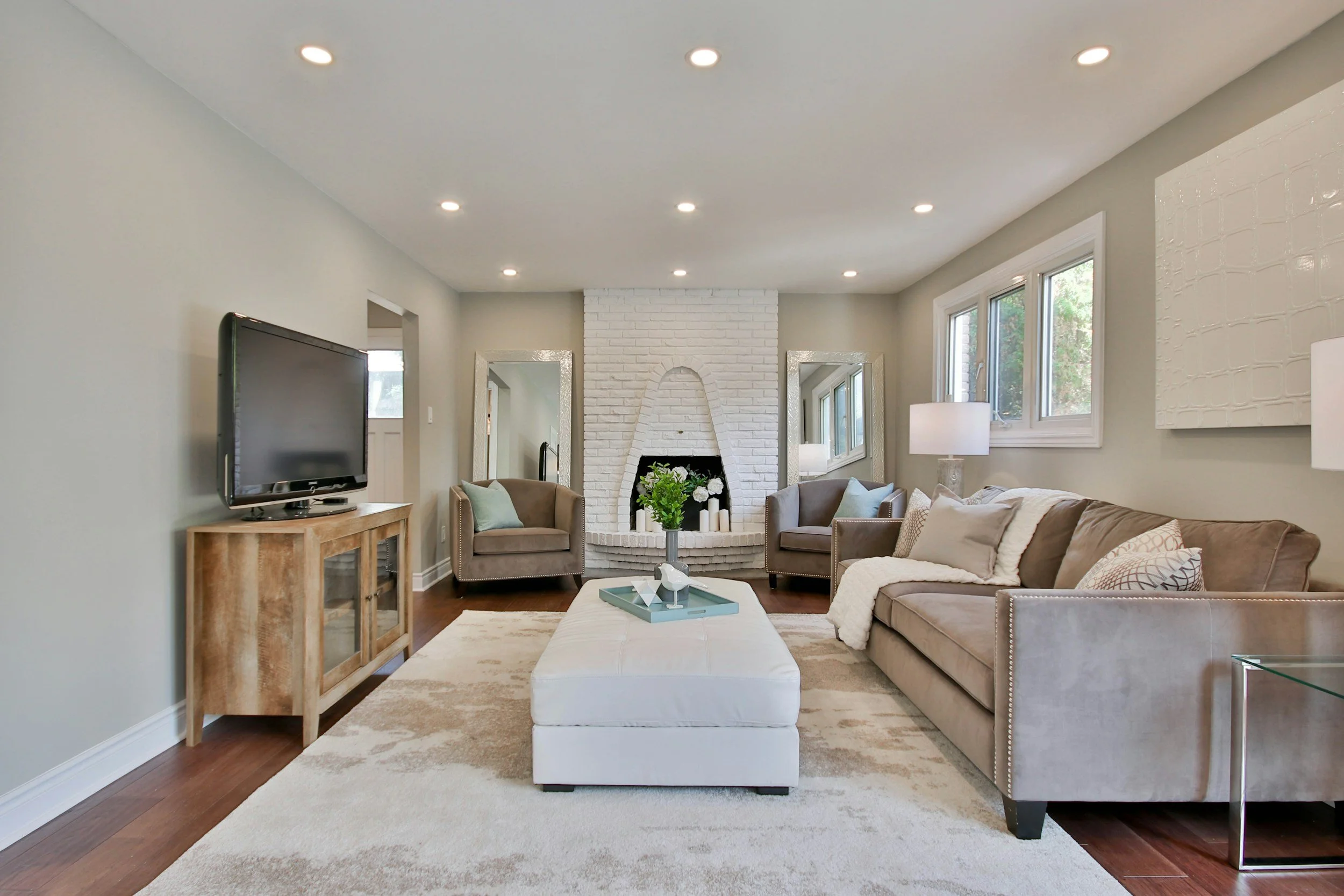
Hidden & Recessed LED Lighting on the Sunshine Coast: Light Without Visible Fittings
The look most people are after has a name and a method: light on the surfaces, nothing visible on the ceiling. Luxe Electrical Industries delivers hidden and recessed LED lighting across the Sunshine Coast (concealed cove lighting, shadow-line details, trimless downlights and plaster-in fittings) where the effect is the point and the hardware disappears into the build.
It is exacting work. Channel depth, diffuser choice, strip density and driver access all have to be right, and all have to be decided before the plasterer arrives. With 16+ years of LED specialisation and Electrical Contractor Licence #90549, our hidden and recessed LED lighting is detailed to the millimetre rather than improvised on site.
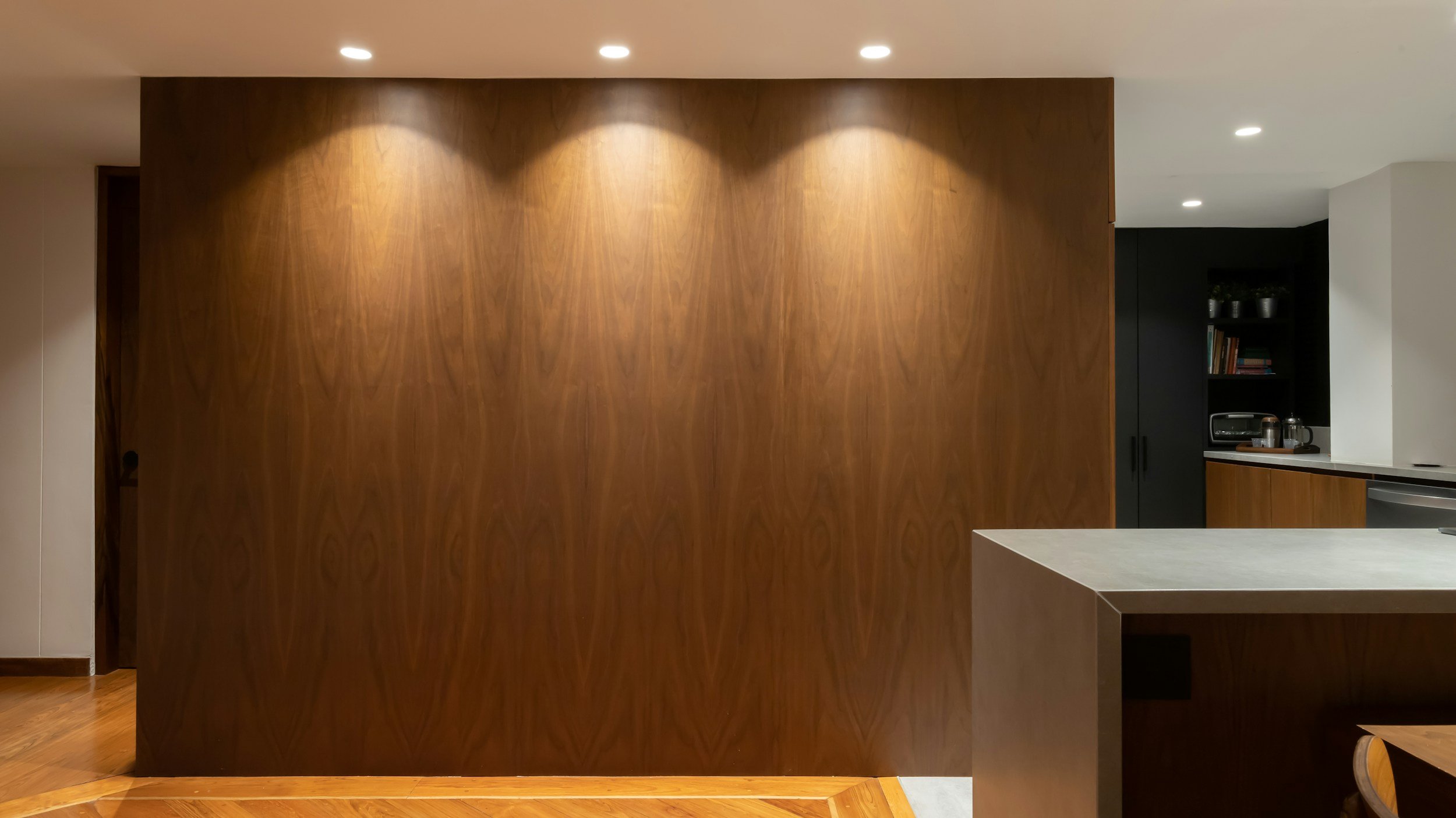
Concealed lighting fails in visible ways. A cove that shows a scalloped edge because the strip sat too close to the wall. A shadow gap with dots down its length because the strip density was too low for the diffuser. A trimless downlight with a hairline crack around it because the plaster detail was never set out. Every one of those is decided long before anyone flicks a switch.
That is why hidden and recessed LED lighting on the Sunshine Coast is a documentation job as much as an installation job. We set the cavity dimensions, specify the strip and channel as a matched system, locate serviceable driver positions, and coordinate with the plasterer and cabinetmaker. Our custom LED strip lighting is made in-house to those dimensions, so hidden and recessed LED lighting is built to the detail rather than the detail bent to a stock product.
Why Sunshine Coast Clients Choose Luxe for Concealed Lighting
Concealed lighting is where the gap between a general electrician and an LED specialist is widest, because almost all of the work is in decisions that never appear on an invoice. What density of strip. What channel depth for that diffuser. How far off the wall the cove sits. Where the driver lives so it can be replaced in ten years without cutting the ceiling.
Tim Reyes's 16+ years include high-end residential work in London, where concealed and trimless detailing is standard, followed by projects through Sydney, the Gold Coast and Brisbane. Combined with making our own strip runs in the Buderim workshop, that means the specification and the product are decided together. If a cove is 40mm and needs a particular diffuser to avoid dotting, we build to that rather than ordering the closest available kit.
Hidden and recessed LED lighting on the Sunshine Coast also requires coordination with other trades (plasterers, cabinetmakers, builders) because the cavity is built by someone else. We provide the dimensions in writing and check the set-out before linings go on, which is the single most effective way to avoid a result nobody is happy with.
Licensed electrical contractor #90549: all work certified to AS/NZS 3000 with compliance documentation.
Custom LED strip lighting made in-house: density, channel and diffuser matched as a system to your specific cavity.
Written cavity dimensions issued to trades: plasterers and cabinetmakers build to a number, not an assumption.
Serviceable driver locations planned: recorded at handover so future replacement never means cutting a finished ceiling.
Set-out checked before linings: the last point at which a concealed detail can still be corrected for free.
16+ years of LED specialisation: including high-end residential work in London, Sydney, the Gold Coast and Brisbane.
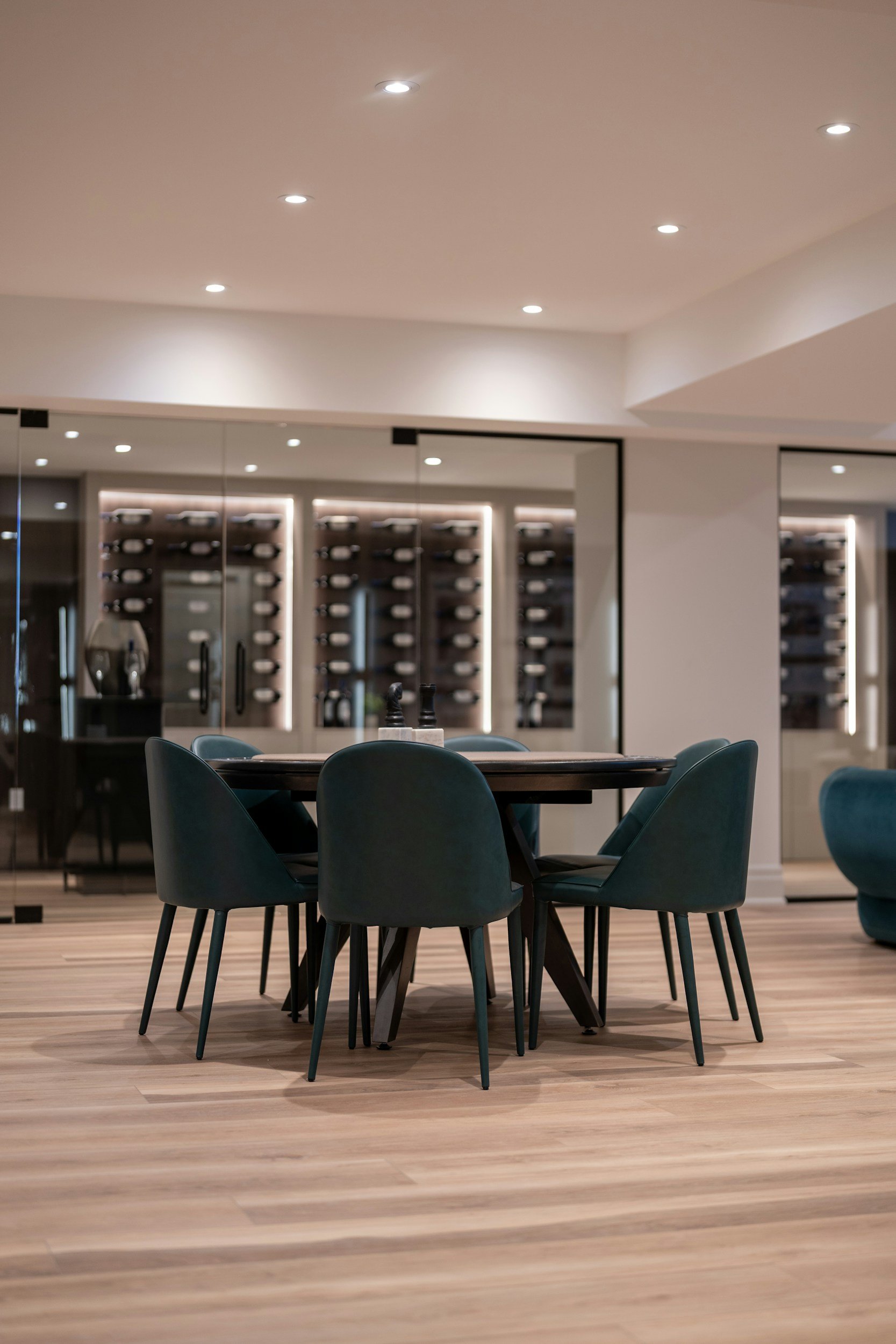
Hidden & Recessed LED Lighting Services
These are the concealment techniques we install most often. Which one suits depends almost entirely on the ceiling construction and whether the work is happening during a build or after it.
Concealed Cove Lighting
Continuous light washed up a wall or across a ceiling from a hidden cove or bulkhead, with no visible source. The classic architectural effect, and the one most dependent on cavity depth and set-back being right.
Shadow-Line & Reveal Lighting
Light emerging from a shadow gap at a wall, ceiling or joinery junction, producing a floating effect. Requires close coordination with the plasterer since the gap dimension and the fitting have to agree. Suited to contemporary interiors with crisp junction detailing.
Trimless & Plaster-In Downlights
Downlights set flush into the ceiling with no visible trim, plastered in as part of the lining. Gives the cleanest possible ceiling. Must be installed before plastering and set out precisely; this is not a retrofit product, and attempting it as one is where most failures start.
Joinery & Cabinetry Concealment
Strip lighting concealed within cabinetry, floating shelves, plinths and bulkheads so the source is invisible from every normal viewing angle. Coordinated with the cabinetmaker before manufacture so channels and cable routes are built in.
Stair & Nosing Concealment
Concealed strip under stair nosings, handrails and floating treads, lighting the tread without any visible fitting. Practical on the split-level and multi-storey homes common across the Coast's sloping sites, and safer than a bright overhead.
Recessed Downlight Layouts
Conventional recessed downlighting laid out properly, positioned for benches, artwork and circulation rather than a symmetrical grid, with beam angles and glare considered.
Why Concealed Lighting Is Harder on the Sunshine Coast
Concealment needs cavity, and Sunshine Coast houses are frequently built in ways that reduce or remove it. Subtropical design favours raked and exposed ceilings for height and ventilation, timber linings, and lightweight construction, all of which limit the void that concealed lighting depends on. Lowset brick-and-tile homes across Maroochydore, Kawana and Caloundra typically offer shallow voids under truss framing. Apartments and units along the coastal strip are commonly built on concrete slabs where recessing into the structure is simply not available, and only a dropped ceiling or bulkhead creates the cavity.
Two climate factors compound the technical side. Ceiling insulation is standard here and must be kept clear of recessed fittings, which restricts positions further. And heat matters more than most people expect: LED drivers and strip run hotter in a poorly ventilated cavity in a subtropical roof space than they would in a temperate climate, and heat is the main determinant of how long the installation lasts. A sealed, unventilated bulkhead full of drivers is a maintenance problem waiting to happen.
For a homeowner or builder, that translates into three familiar disappointments: a concealed detail that cannot physically be built as drawn, a trimless downlight attempted as a retrofit and cracking at the plaster junction, and a driver failure five years on that requires cutting a ceiling because nobody planned access.
Our approach to hidden and recessed LED lighting on the Sunshine Coast addresses each directly. We measure the available cavity before specifying, design bulkheads where the existing structure has no void, allow ventilation and access around drivers, and keep fittings clear of insulation. Hidden and recessed LED lighting installed with those allowances holds up in a subtropical roof space, which is the difference between a detail that still looks right in a decade and one that becomes a repair job.
Hidden & Recessed LED Lighting Across the Sunshine Coast
We install hidden and recessed LED lighting from Caloundra to Noosa and through the hinterland. Related pages:
Recessed lighting in Maroochydore — downlight layouts, apartments and retrofits.
Architectural LED lighting — design-stage integration with your architect.
Architectural lighting in Buderim — retrofits into plateau homes.
Feature lighting installation — accent, pendant and joinery work.
Luxury home lighting design — full-home design service.
Custom LED strip lighting — the product behind every concealed detail.
Smart LED lighting and automation — dimming and scene control.
Frequently Asked Questions About Hidden & Recessed LED Lighting Sunshine Coast
-
Generally not well. Plaster-in fittings are designed to be installed before the ceiling is plastered so the lining finishes flush against them. Retrofitting means cutting, fitting and patching, and the patch line often shows or cracks later. If a ceiling is already finished, a good low-glare recessed downlight with a slim trim usually gives a better long-term result.
-
Scalloped edges usually mean the strip sits too close to the surface it is washing, so individual sources read as arcs rather than blending. Dots along a diffuser usually mean the strip density is too low for that channel depth. Both are avoidable by matching strip, channel and set-back at specification stage rather than assembling parts that were bought separately.
-
There is no single number; it depends on the strip, the channel, the diffuser and how far the light has to travel before it blends. That is exactly why we issue a dimension in writing for your specific detail. A cove built to a guess from an inspiration photo is the most common cause of a disappointing result.
-
Drivers should sit in a ventilated, accessible location and their positions should be recorded at handover. Drivers do eventually fail (that is normal), and the difference between a ten-minute swap and a ceiling repair is entirely down to whether access was planned. We allocate and document those positions as part of the job.
-
Yes, but the cavity has to be created rather than found. On slab construction that means a dropped ceiling, a bulkhead, or joinery integration. Many coastal Sunshine Coast apartments are built this way, so it is a common scenario and one we quote with the necessary building work identified upfront.
-
Recessed means the fitting sits within the ceiling but is still visible as an aperture. Hidden means the source cannot be seen at all: you see only the lit surface. Most good schemes use both: recessed downlights where task light is needed, concealed strip where you want the room to glow without an obvious source.
-
Concealed work is more labour-intensive than surface fittings, and cost is driven by the length of concealed runs, whether bulkheads need building, the number of recessed fittings, and coordination with other trades. We quote itemised by area, and are upfront where a detail requires building work beyond the electrical scope.
About the Sunshine Coast and Our Details
Sunshine Coast housing has been shaped by climate and by a long building boom. Early coastal settlements were lightweight timber cottages raised for ventilation; the post-war decades brought brick-and-tile subdivision as the region shifted from holiday destination to permanent residence; and the last two decades have added both medium-density coastal apartments and architect-designed houses that return to raked ceilings, deep eaves and open plans. The result is a region where concealed lighting has to be approached differently building by building, because the available cavity varies enormously between a 1980s brick home, a slab-built apartment and a contemporary custom house.
Business Name: Luxe Electrical Industries
Physical Address: 5/13 Kayleigh Dr, Buderim QLD 4556
Phone Number: 07 3524 8037
Electrical Contractor Licence: #90549
Operating Hours:
Monday – Friday: 7:00 AM – 5:00 PM
Hidden and recessed LED lighting is delivered Coast-wide from our Buderim workshop, where the strip runs for each hidden and recessed LED lighting detail are built to measure.
For more information about the local area:
Contact us.
Phone: 07 3524 8037
Email: admin@luxeelectricalindustries.com.au
Servicing Sunshine Coast, Brisbane and Gold Coast.
Live The Brighter Life